WETLANDS DELINEATION
Wetlands and Streams
Understanding wetlands and water systems is a crucial start to any project. Our team is educated and trained in wetlands and waters delineations, stream assessments, regulatory permitting, and mitigation. Our diverse background in biology, hydrology, and soil sciences allows us to provide assistance for a wide variety of projects.
WHAT IS A WETLAND?
Wetlands are defined as areas that are inundated or saturated by surface or groundwater at a frequency and duration sufficient to support, and that under normal conditions do support, a prevalence of vegetation typically adapted for life in saturated soil conditions. Wetlands generally include swamps, marshes, bogs, and similar areas. Wetlands typically have hydric soils, hydrophytic vegetation, and wetland hydrology. Wetlands are an important part of any ecosystem and have many functions and values such as: commercial and recreational uses, wildlife habitats, water quality maintenance, and erosion and flooding control.
Congress recognized the value of wetlands and created the Clean Water Act (CWA). The CWAs objective is to “maintain and restore the chemical, physical, and biological integrity of the waters of the United States.” Section 404 of the CWA authorizes the Secretary of the Army working with Chief of the Engineers to issue permits for the discharge of dredged or fill material into wetlands.
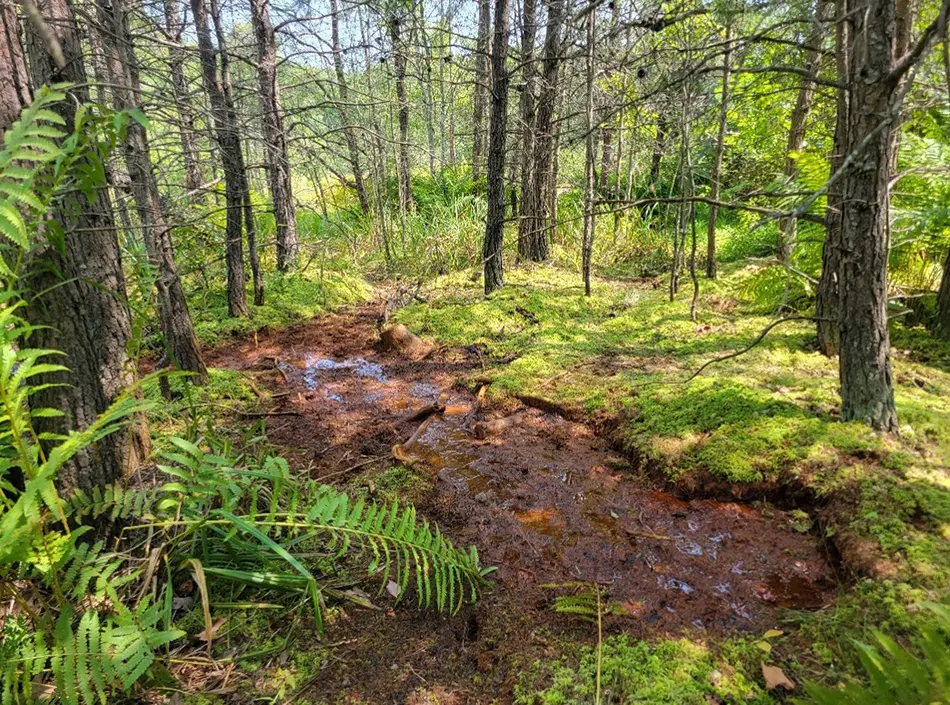
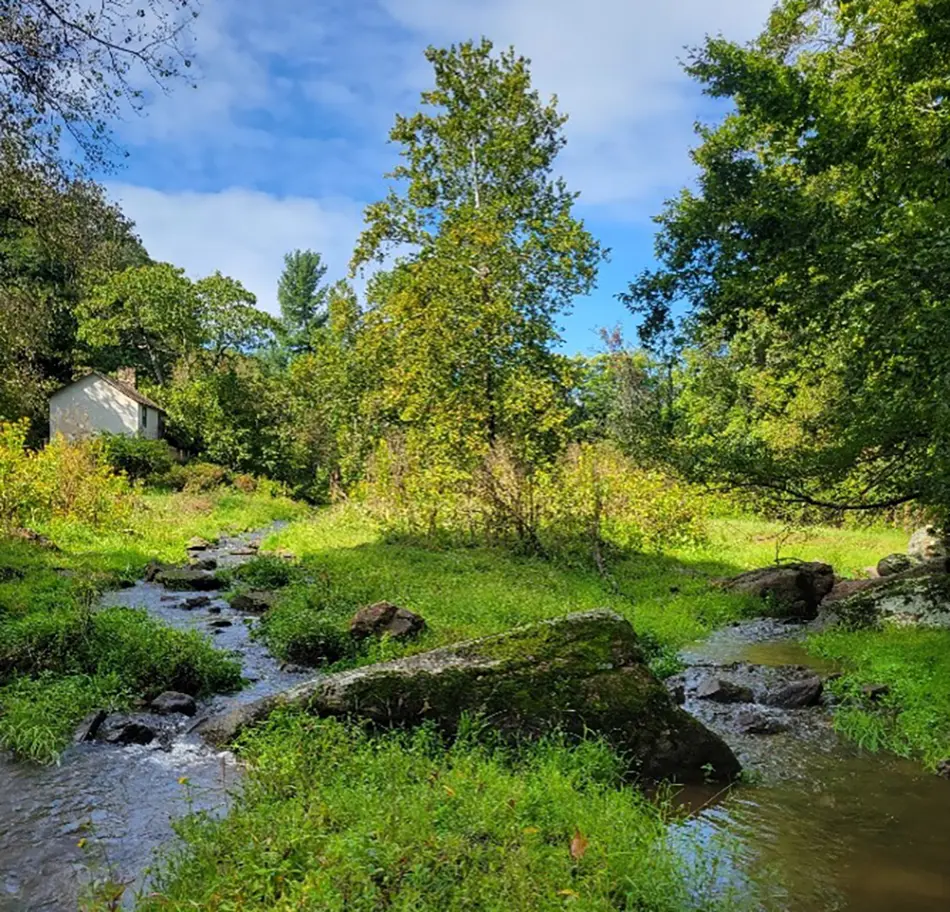
Forested wetland delineated
in Frederick County, VA.
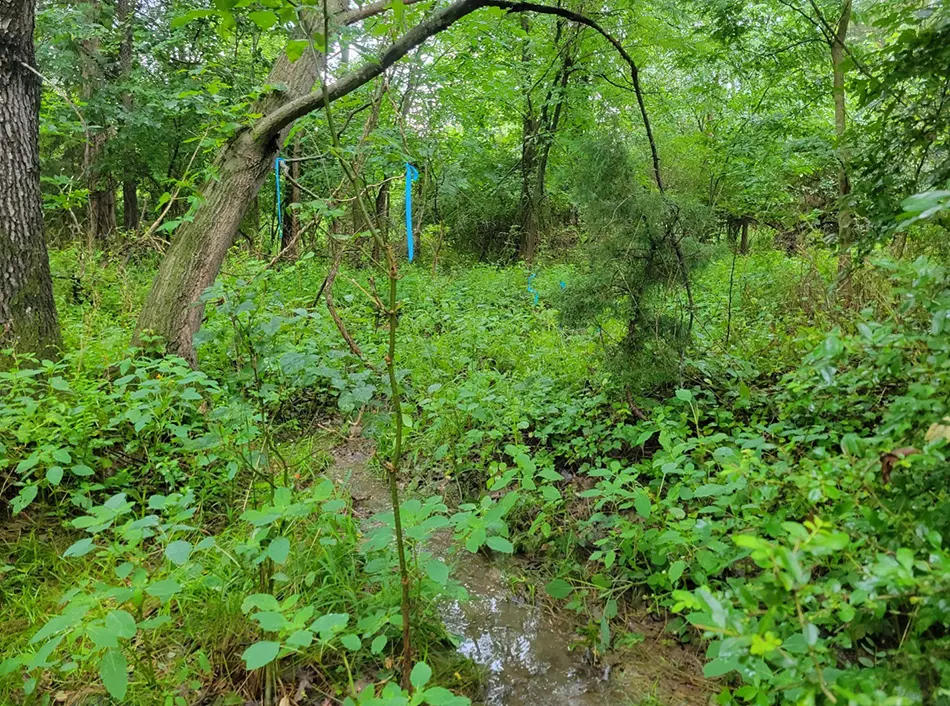
Intermittent stream delineated
in Fairfax County, VA.
What is a Wetland Delineation?
Wetland delineation is a process that determines the boundary between a wetland and an upland. Wetland delineation is performed when a planned activity will involve placing fill material in a potential wetland area. Common activities that involve placing fill include grading and leveling, housing development, and driveways. Homeowners and developers need to know where wetlands are to comply with federal and state laws governing works in wetlands.
The result of a delineator’s efforts is a wetland delineation report which consists of a map of the wetlands, supporting data sheets, written descriptions, and photographs. Our team uses their skills and expertise in field botany, soil science, hydrology, and sampling procedures, as well as the federally approved wetland delineation methods, to determine and document where wetland boundaries are located.
Wetlands Permitting
At Greenway Environmental Services, our experience and expertise make determining and applying for permits an effective process that best serves our clients.
Section 404 Permitting
Section 404 permitting includes nationwide and individual permits. A Nationwide Permit (NWP) authorizes a category of activities throughout the nation that have been determined to have minor impacts. Individual permits are required for discharges that are not exempt or covered by a NWP or Regional General Permit (RGP). The individual permit process involves a full public interest review.
Section 401 Permitting
Section 401 permitting includes Virginia Water Protection (VWP) General and Individual permits. Certain activities that are considered to have minimal impacts to human health and the environment may be covered under VWP General Permit regulations. Activities that cause significant alteration or degradation of existing wetland acreage or functions may require a VWP Individual Permit. Most times in this situation a Section 404 permit is also required.
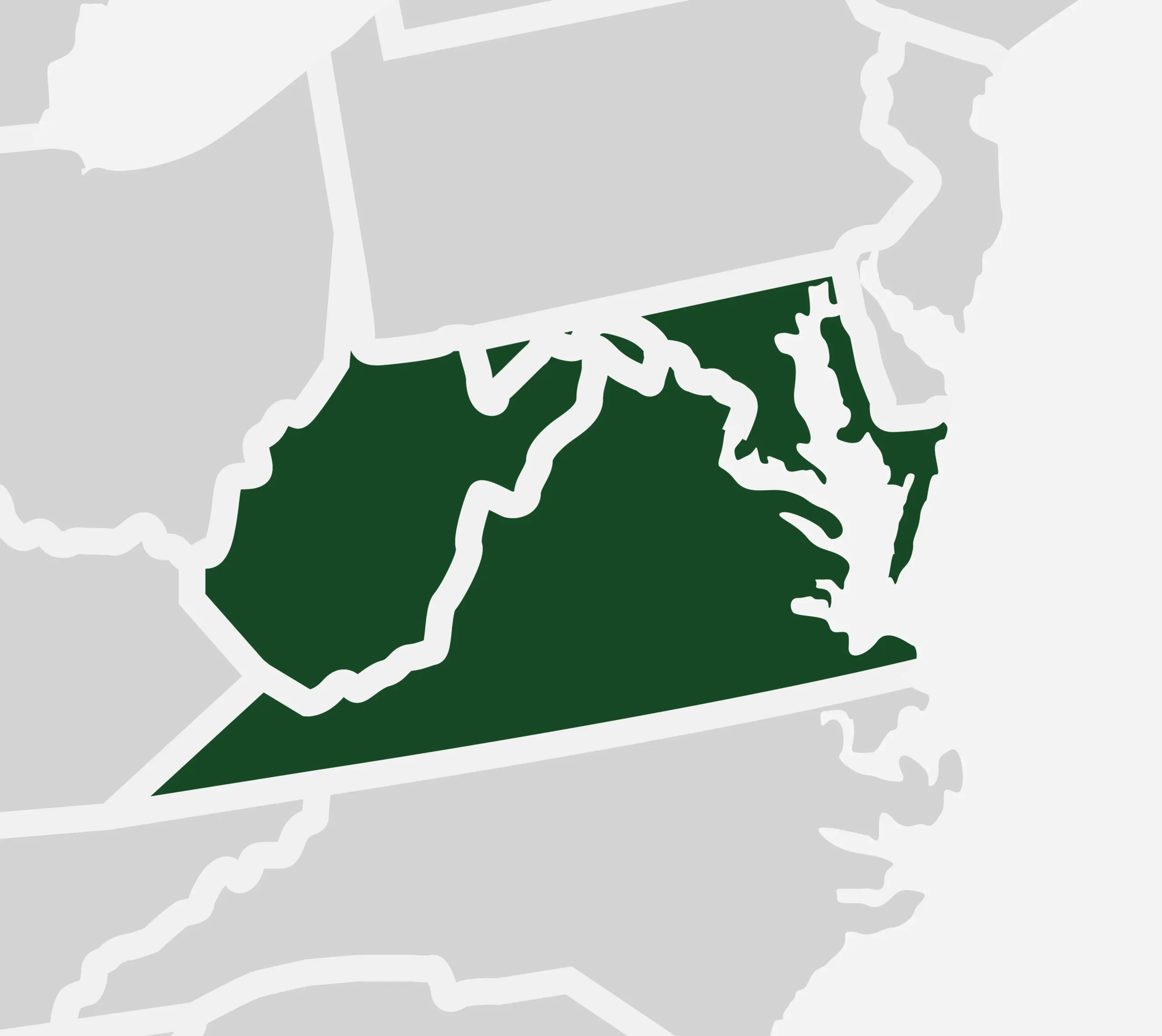
Serving Virginia, West Virginia, & Maryland
Our Mission
At Greenway Environmental Services, our mission is to provide reliable environmental consulting that helps landowners make responsible land-use decisions. Our goal is to deliver clear, honest guidance that protects natural resources while helping property owners make confident decisions about their land.
FAQs